DYNO Mapper

Home / Blog / Archive by category "Accessibility Testing"

The User Experience Blog for Website Architecture Planning

Web Accessibility Standards

Web Accessibility Compliance and Your Organization

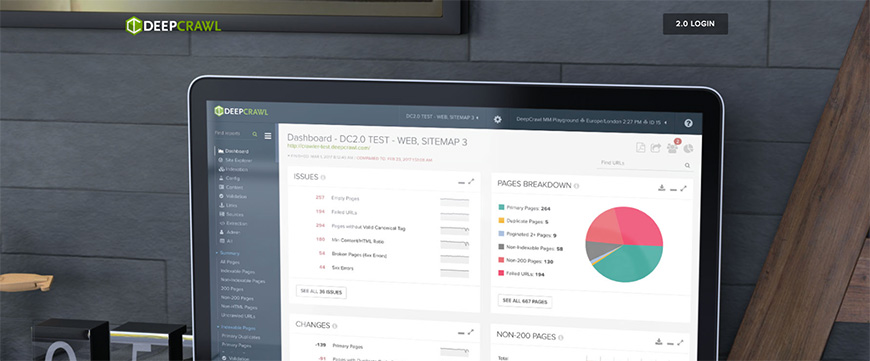
Organizational web accessibility compliance is a five-step practice — plan, audit, train, procure, maintain. This 2026 guide covers WCAG 2.2 AA targets, the post-IFR DOJ Title II deadlines, EAA enforcement, ACA, ACR/VPAT 2.5 procurement, and why accessibility overlays don’t replace genuine remediation.
Read More
How Much Does It Cost - To Make Your Website Accessible?

How Much Does It Cost – To Make Your Website Accessible?

Web accessibility costs in 2026 are more bounded than the typical “$2,500 to $2.5 million” framing suggests. This guide breaks costs into the categories that matter — automated tools, audits, remediation, training, ongoing monitoring, legal exposure — with real-world ranges by site size.

Read More
Accessibility Testing: Considering the User’s Perspective of Accessibility

Accessibility Testing: Considering the User’s Perspective of Accessibility

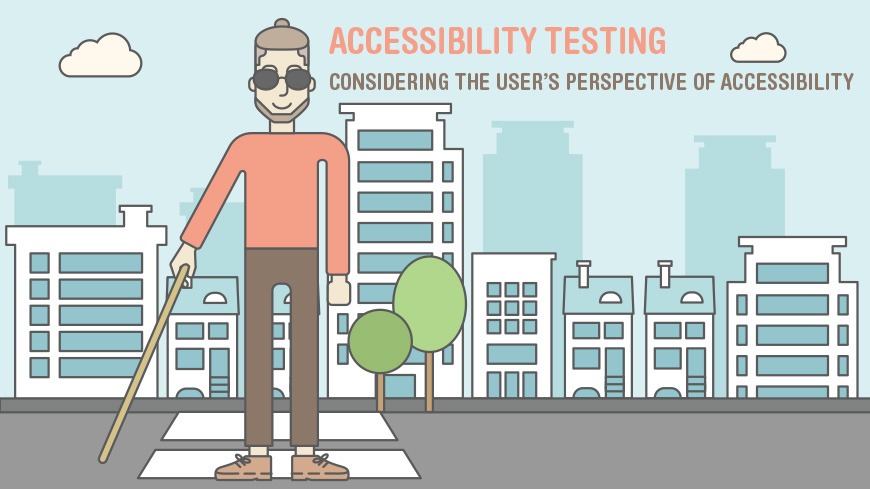
“The web” isn’t one experience — it’s a different experience for every disability category and assistive technology that engages with it. This guide covers accessibility from the user’s perspective: how blind, low-vision, deaf, motor-impaired, and cognitively-disabled users navigate, what assistive tech they rely on, and the design practices that make sites work for everyone.

Read More

Building a POUR Website: the 4 Principles of Accessibility

POUR — Perceivable, Operable, Understandable, Robust — is the conceptual core of web accessibility. Build for all four under WCAG 2.2 AA and you’ll meet nearly every major accessibility law worldwide. This guide breaks each principle into practical implementations with the new 2.2 success criteria.

Read More

WCAG: Web Content Accessibility Guidelines Explained

WCAG is the international standard for web accessibility — published by the W3C and referenced by virtually every major accessibility law worldwide. This 2026 guide covers the version history (1.0 → 2.0 → 2.1 → 2.2, with 3.0 in development), the POUR principles, conformance levels, and how it all fits together for compliance.

Read More